
MDZn9a3gsQYMIWLqbOizcdd1cO53

Tanya

Creator

Sat, Apr 18, 2026, 09:05 AM

10h ago

Hong Gai Ward, Vietnam

20.95200, 107.07900

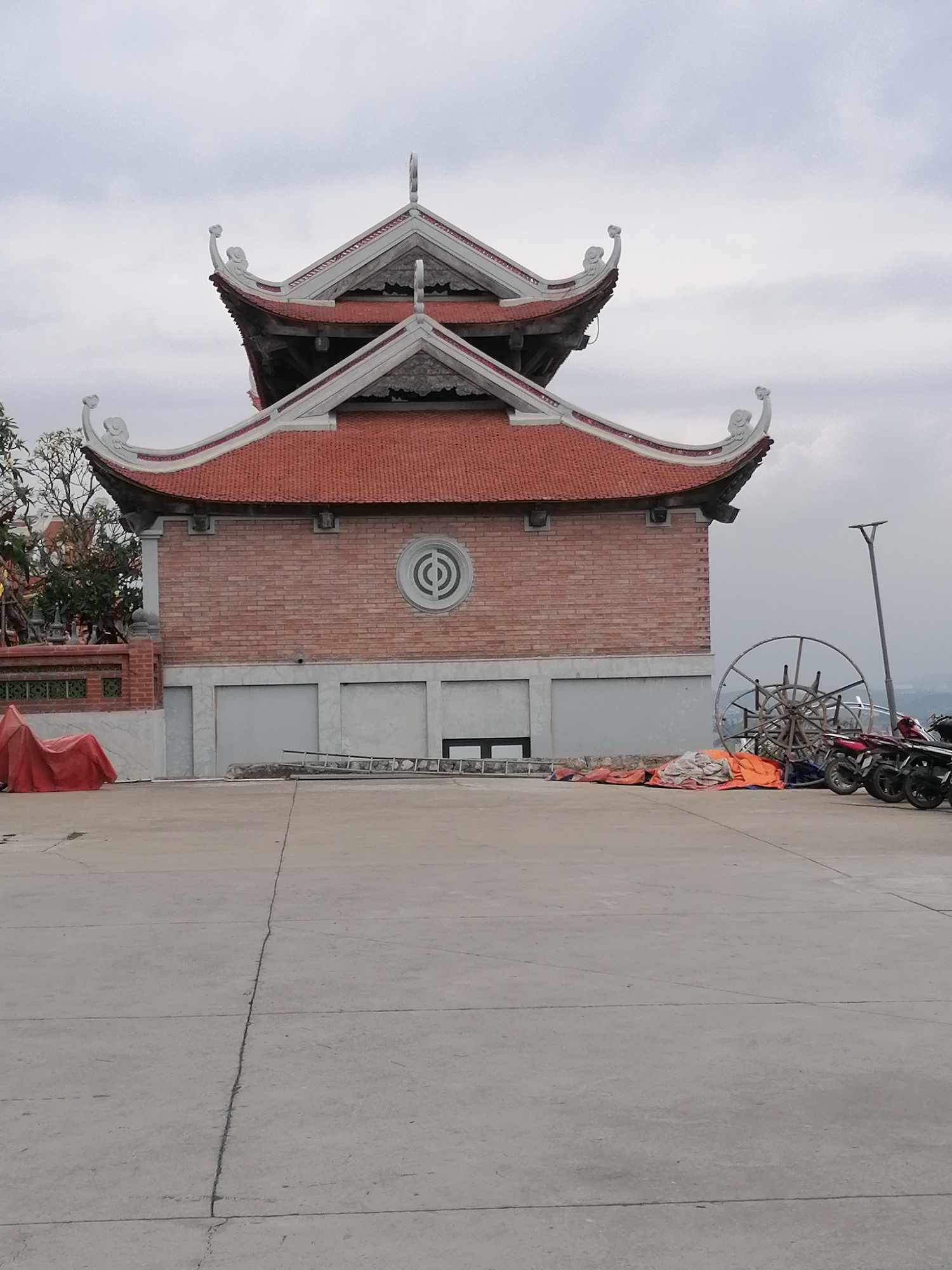
This image captures a two-story building with traditional East Asian architectural elements, resembling a temple or pagoda, under a uniformly grey, overcast sky in Hong Gai Ward, Vietnam. The building…read more

[object Object]

Technical

ID

4e2caf62-86a5-47b2-8

Usage Rights

This media is free for non-commercial use with proper attribution.

Commercial use, AI/ML training, and derivative works are prohibited without explicit consent from the creator.

Licensed under CC BY-NC 4.0 with additional AI/ML restrictions. Full terms →

This image captures a two-story building with traditional East Asian architectural elements, resembling a temple or pagoda, under a uniformly grey, overcast sky in Hong Gai Ward, Vietnam. The building features a reddish-brown brick facade on its lower level, centered with a distinctive circular decorative window displaying a geometric pattern. Its most notable architectural details are the tiered, reddish-brown tiled roofs with intricately curved white eaves that sweep upwards, adorned with ornate finials at the corners. The ground floor of the building presents a more utilitarian appearance with multiple grey, closed panels resembling garage doors, and a smaller access door to the left. In the foreground, a wide, flat concrete plaza or courtyard extends towards the viewer, marked by expansion joints. Various objects are scattered around the courtyard, suggesting ongoing activity or storage. On the left, a large red tarp covers an unseen object. A ladder is propped near the building's entrance. To the right, several motorcycles are parked in a row, and a prominent large wooden spoked wheel, possibly an old cart wheel or a decorative item, rests on the ground amidst other bundled materials and tarps. A tall, modern street lamp stands to the right of the building. The scene is devoid of people, and the cloudy sky suggests a subdued daylight. No visible text is present. | Open Wire