
5DYU6mYJr9S8i6eINIetDxX3uic2

Valli

Creator

Sun, Mar 15, 2026, 02:25 PM

Pompei, Italy

40.75000, 14.50400

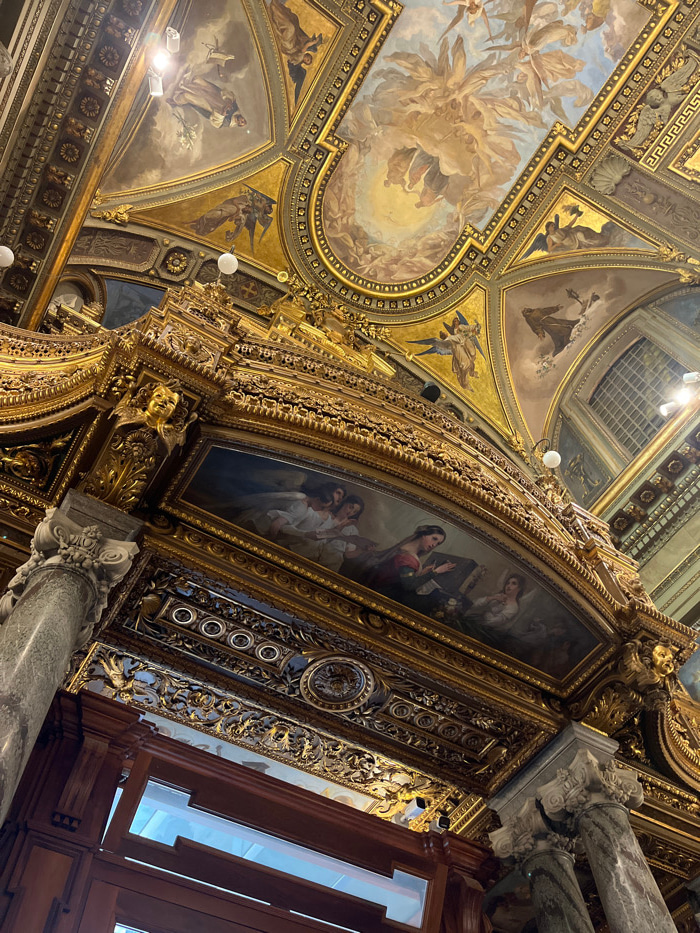
The image captures a highly ornate, gilded interior, specifically identified as the Salone di San Luigi (Hall of Saint Louis) located within the Royal Palace of Naples, Italy. The perspective is an up…read more

[object Object]
[object Object]
[object Object]
[object Object]
[object Object]

Technical

ID

edac7e7f-6c56-4384-9

Usage Rights

This media is free for non-commercial use with proper attribution.

Commercial use, AI/ML training, and derivative works are prohibited without explicit consent from the creator.

Licensed under CC BY-NC 4.0 with additional AI/ML restrictions. Full terms →

The image captures a highly ornate, gilded interior, specifically identified as the Salone di San Luigi (Hall of Saint Louis) located within the Royal Palace of Naples, Italy. The perspective is an upward-angled shot, emphasizing the grandeur of the vaulted ceiling and upper architectural elements. The ceiling is elaborately decorated with multiple fresco paintings set within extensive gilded frames and high-relief carvings. A prominent central fresco, roughly oval in shape, depicts numerous ethereal figures, possibly angels or allegorical beings, swirling amidst clouds and bathed in celestial light. Surrounding this central piece are smaller, rectangular, and curved fresco panels, each containing individual standing or seated figures, some winged or cloaked, against muted backgrounds. All frescoes are bordered by multi-layered, heavily gilded moldings featuring intricate patterns such as acanthus leaves, egg-and-dart, meander motifs, and high-relief sculptural elements, including putti and stylized masks. Several modern spherical white light fixtures are mounted on the gilded structures. Below the main ceiling, a deep, richly embellished golden architectural element, possibly an arch or a substantial cornice, spans the mid-ground. This structure itself is composed of numerous tiers of carved and gilded details. Set within this lower gilded framework is a rectangular oil painting depicting a central female figure, possibly a saint or an allegorical representation, with dark hair and wearing red and blue garments, intently reading an open book or tablet. She is flanked by two angelic figures, one on each side, looking towards her. A golden bust, likely a putto or cherub head with curled hair, is prominently integrated into the gilded carving on the left side of this lower structure. Supporting these intricate structures are polished, fluted columns of dark grey or mottled marble, visible on the left and right edges of the frame. These columns are topped with finely carved, white Corinthian or Composite capitals featuring elaborate acanthus leaves and volutes. In the lower left quadrant, a section of dark, polished wooden architectural element, possibly part of a door frame or built-in paneling, is partially visible, featuring a rectangular glass insert that reflects light. The overall aesthetic is characteristic of 18th or 19th-century Baroque Revival or Neoclassical styles. | Open Wire